
January 11, 2026
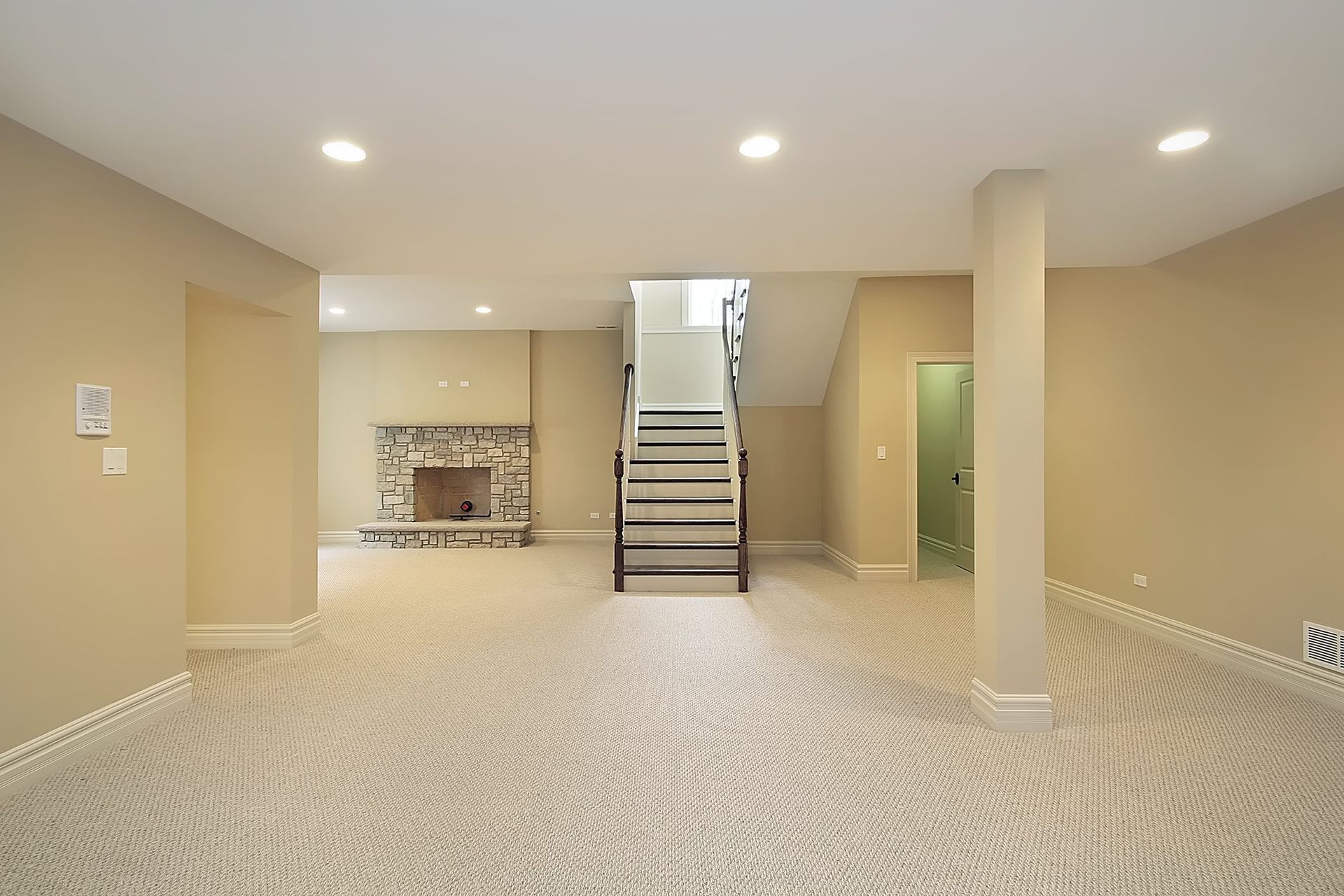
Discover how transforming your basement can significantly enhance the value of your property. This article explores various aspects of basement remodeling and its impact on real estate value. With real estate prices fluctuating, adding additional usable square footage to your home is a strategic move. By remodeling your basement, you not only create additional living space but also open up the potential for increased resale value. The transformation of underutilized basement areas into functional spaces is a trend gaining traction among homeowners.
Understanding Property Value Enhancement
The Concept of Property Value
Property value is a key consideration for homeowners and potential buyers alike. It encompasses factors such as location, size, condition, and the amenities offered by the home. Understanding property value is crucial when planning renovations or improvements. Homeowners need to focus on projects that will provide the greatest return on investment in terms of increased value. Basement remodeling is a prime example of an improvement that can enhance property value.
Key Factors Influencing Property Value
Several factors play a role in determining property value. These include the property's location, market demand, and recent comparable sales in the area. Additionally, the condition of the home and the quality of finishes can significantly affect value. Upgrades such as energy-efficient appliances and smart home technology also contribute positively to property value. Understanding these factors helps homeowners make informed decisions about improvements, including basement remodeling.
The Role of Home Improvements
Home improvements have a direct impact on property value enhancement. Renovations like kitchen and bathroom upgrades are commonly associated with increasing home value. However, basement remodeling offers one of the highest returns on investment. By converting an unfinished basement into a functional living space, homeowners can increase livable square footage, making the property more attractive to buyers. This strategic investment can result in substantial financial gain when it comes time to sell.
The Economic Impact of Renovations
Home renovations have a positive economic impact on both individual homeowners and communities. Investing in home improvements creates jobs and stimulates local economies by employing contractors and tradespeople. Moreover, upgrading homes can improve the overall aesthetic and appeal of neighborhoods, potentially increasing property values in the area. On a personal level, remodeled spaces tend to better meet the needs of homeowners, enhancing quality of life. The transformation of basements into usable spaces underscores this economic and lifestyle enhancement.
Case Studies of Successful Home Value Increases
Numerous case studies illustrate the successful outcomes of strategic home renovations. For instance, one homeowner invested in a basement remodel and saw their property value increase substantially, exceeding their initial investment. Such projects are often highlighted in real estate listings, showcasing the extra living space and luxury upgrades. According to HGTV, converting a basement to a living space can provide an ROI of over 80%, underscoring the potential value boost. These success stories inspire other homeowners to consider similar investments to maximize their property value.
The Strategic Importance of Basement Remodeling
Why the Basement?
Homeowners often overlook the potential of their basements, leaving them underutilized or solely used for storage. However, basements present a unique opportunity to expand living spaces without the need for building extensions. Remodeling a basement allows homeowners to take full advantage of the square footage already under their roof. This can be particularly valuable in urban settings, where space is at a premium. The strategic transformation of a basement can therefore greatly enhance both the functionality and appeal of a home.
Assessing the Current State of Your Basement
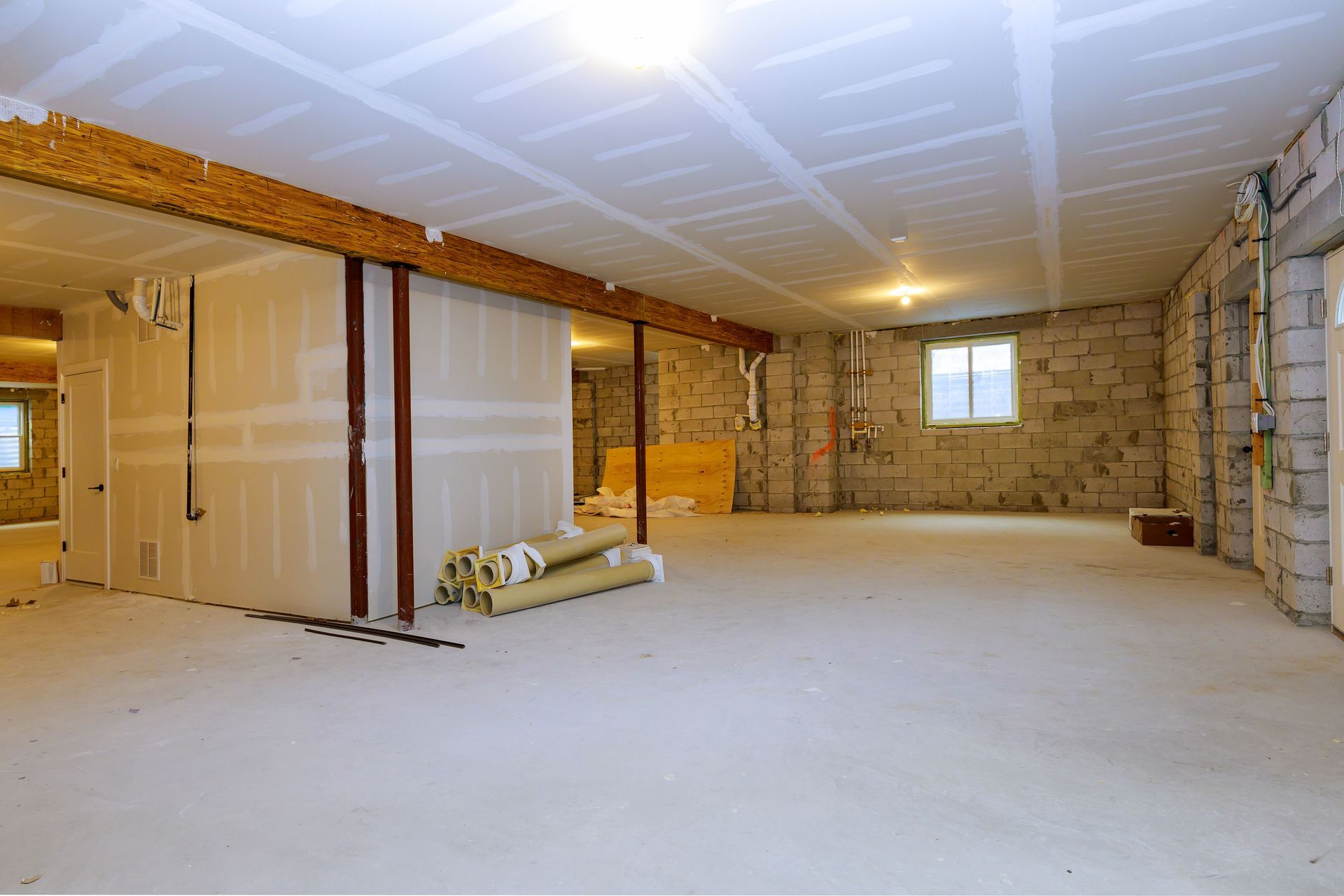
Before embarking on a basement remodel, homeowners should assess their current space. This involves evaluating the structural condition, potential moisture issues, and existing utilities. A thorough inspection helps identify any challenges that need addressing before starting the renovation. This assessment also aids in envisioning how the basement can be transformed into a functional area. Taking these steps ensures a smoother remodeling process and a more successful transformation.
Identifying Potential Uses and Themes
Once the basement's condition is evaluated, homeowners can start considering its potential uses. Popular transformations include creating additional bedrooms, home theaters, workout spaces, or rental units. The best use often depends on market demand and personal needs. Theming the space, such as designing a modern getaway or cozy retreat, adds appeal to the remodeled basement. By aligning the remodel with both personal desires and market trends, homeowners can boost their home's value significantly.
Alignment with Market Demand
Remodeling a basement to align with current market demand can greatly impact property value. Trends indicate that buyers increasingly favor additional living spaces and modern amenities. Creating flexible spaces that can serve multiple functions is particularly attractive. Additionally, basements configured with provisions for rental income can further increase appeal and value. Strategic planning to meet market demands ensures that the investment pays off when the home is sold.
Experiences from Real Estate Experts
Real estate experts often assert that basement remodels are wise investments. These professionals have observed significant property value increases following basement transformations. Experts also note that homes with remodeled basements sell more quickly, as they meet buyer demands for functional living areas. Leveraging the expertise of real estate agents can provide insights into the potential return of a basement remodel. Collaborating with professionals ensures that remodeling efforts are targeted and effectively increase value.
Cost Considerations and Budget Management
Estimating Initial Investment
Estimating the initial investment for a basement remodel requires careful consideration of various factors. Costs depend on the scope of the project, the quality of materials, and the professional labor required. Homeowners should draw up detailed budgets that include contingencies for unexpected expenses, which are common in remodeling projects. Accurate estimation helps prevent financial overreach and ensures the project aligns with financial goals. Proper budget planning facilitates a smoother renovation process and ultimately contributes to a successful outcome.
Evaluating Long-term Financial Benefits
The financial benefits of basement remodeling extend beyond the initial investment. Creating additional usable space can increase rental opportunities, providing a potential revenue stream. Enhanced property value is another significant long-term financial benefit. According to HGTV, basement conversions to living spaces provide an ROI of around 86%, demonstrating substantial economic returns. By considering these long-term advantages, homeowners can better justify the upfront costs associated with remodeling.
Financing Options for Homeowners
Financing a basement remodel can be achieved through various options available to homeowners. Home equity loans or lines of credit are commonly used to fund significant renovation projects. Additionally, personal loans or savings can provide necessary financing without impacting home equity. Researching and selecting the best financing method ensures that remodeling efforts stay within budget. Proper financial planning allows homeowners to achieve their remodeling goals without undue financial strain.
Avoiding Common Budget Pitfalls
Avoiding budget pitfalls is critical to maintaining financial control during a remodel. Common issues include underestimating costs and failing to account for unexpected expenses. Planning for contingency funds can help mitigate these problems and maintain the budget. Sticking to the project's scope and responding to changes proactively are other key strategies. With careful oversight, homeowners can prevent financial overruns and complete their remodel successfully.
Negotiating With Contractors
Effective negotiation with contractors can significantly impact the overall cost and success of a remodel. Homeowners should obtain multiple bids and compare them to ensure they receive competitive rates. Clear communication with contractors regarding project expectations and budget constraints is essential. Additionally, exploring contractor references and past projects can provide confidence in selecting the right professional. Strong negotiation skills and good contractor relationships help guarantee a successful remodeling experience.
Basement remodeling offers a viable pathway to increase property value, offering a blend of aesthetic appeal and functional improvements. With careful planning and strategic investment, homeowners can see significant financial and personal returns. This transformation not only supports higher resale values but also enhances the overall quality of life. By understanding market demands and aligning remodels accordingly, these renovations prove to be wise investments. Ultimately, basement remodeling exemplifies a strategy that benefits property value and personal satisfaction alike. Reach out to MAC Basement Company today to get started.